
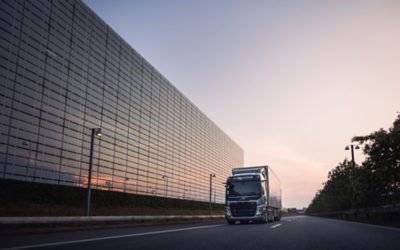
There are two markedly different types of vehicles in the light-duty truck segment (around 7,5 tonne GVW); the small vehicles, which have been upgraded to cope with a larger GVW, and the 'genuine' medium trucks, which have been adapted to the lower GVW through the use of lighter driveline and chassis components.
These have preserved driver comfort, space and safety levels together with ample quality reserves for use during many years and are often used by transport companies specializing in activities other than transport, but needing efficient, safe and reliable transport.
The virtue of utilization
There has been a trend towards small goods vehicles with comparatively high fuel consumption, low payload, limited adaptation to driver environment and space, but with a low purchase price for the customer and which can be utilized for low goods volumes. At a time when the means for maximum utilization of a large payload were not available, this was perhaps a relatively fast and effective means of transport.
But the inefficient use of too many vehicles of this type and the poor utilization of driver, vehicle and natural resources (fuel) is uneconomic and harmful for our environment.
Introducing guidance and positioning systems
With computerized transport guidance systems in combination with Global Positioning Systems there is a tendency to utilize larger vehicles in a better way, which will probably decrease the importance/use of inefficient small petrol- or diesel-driven vehicles in favour of medium-size, high-quality trucks with good payload capacity.